








Role of 3D Printing in Custom Sports Gear and Equipment
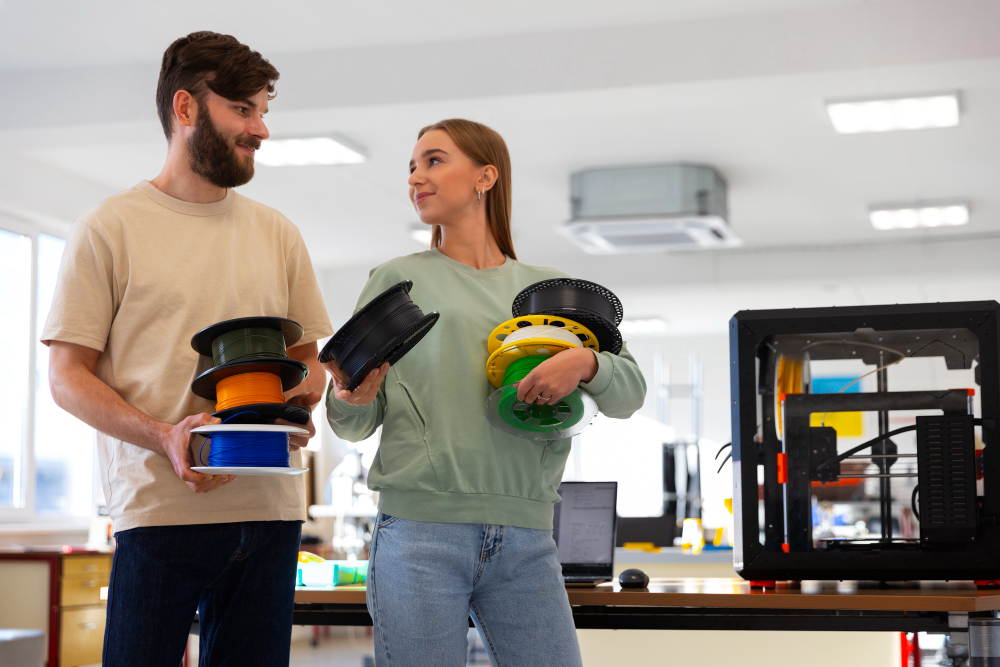
3D printing is revolutionizing the sports industry by enabling the creation of highly customized and performance-oriented gear. From protective equipment to specialized footwear, additive manufacturing allows manufacturers to design products tailored to individual athletes’ needs. This technology not only improves comfort and safety but also enhances performance and reduces production lead times.
Personalized Fit and Performance
One of the key advantages of 3D printing in sports gear is the ability to create custom-fit equipment. Athletes can have helmets, shin guards, insoles, or grips designed to match their exact body measurements and movement patterns. This personalized approach improves comfort, reduces fatigue, and allows athletes to perform at their highest potential. Custom-fit gear also minimizes the risk of injuries caused by poorly fitting equipment.
Rapid Prototyping and Innovative Designs
3D printing enables manufacturers to quickly prototype new designs and test them before mass production. Complex geometries and lightweight structures that were previously difficult to manufacture can now be created with precision. This innovation accelerates the development of advanced sports equipment, such as aerodynamic bike frames, high-performance racquets, and energy-efficient running shoes, giving athletes access to cutting-edge technology faster than ever.
Sustainability and Efficient Production
Additive manufacturing reduces material waste compared to traditional methods, making it a more sustainable option for sports gear production. Only the required amount of material is used, and production can be localized, reducing transportation emissions. Additionally, 3D printing allows for small-batch or on-demand production, minimizing inventory costs and enabling athletes to receive custom equipment quickly without large-scale manufacturing delays.
Conclusion
3D printing is transforming sports gear and equipment by enabling customization, innovation, and sustainability. Personalized designs improve comfort and safety, rapid prototyping accelerates access to advanced technology, and efficient production methods reduce waste. As 3D printing technology continues to evolve, it will play an increasingly central role in shaping the future of sports equipment, offering athletes tailored solutions that enhance performance and redefine the limits of athletic achievement.


Post Comment