








How Gamification is Revolutionizing Corporate Fitness Programs
Corporate wellness programs have shifted from being optional perks to strategic investments that drive productivity, engagement, and retention. However, one of the biggest challenges companies face is keeping employees consistently motivated to participate. This is where gamification—the application of game-like elements to non-game contexts—is transforming corporate fitness initiatives. By making wellness fun, interactive, and rewarding, gamification is breathing new life into workplace health programs.
Making Fitness Fun Through Game Mechanics
Traditional corporate fitness programs often struggle with low participation rates due to a lack of excitement or personalization. Gamification introduces elements such as points, leaderboards, badges, and challenges to make physical activity more engaging. For example, employees can earn rewards for completing daily step goals, logging workouts, or attending wellness sessions. These game-like mechanics turn fitness into a social and competitive experience, motivating participants to stay consistent and push their limits.
Boosting Teamwork and Collaboration
Gamified fitness programs aren’t just about individual progress—they also foster teamwork and camaraderie. Companies are increasingly launching team-based challenges, like “department step battles” or “virtual fitness races,” where groups of employees work together toward a common goal. This approach enhances workplace relationships, builds a sense of community, and encourages employees to support one another’s wellness journeys. The added layer of friendly competition sparks enthusiasm across the organization.
Leveraging Technology for Real-Time Engagement
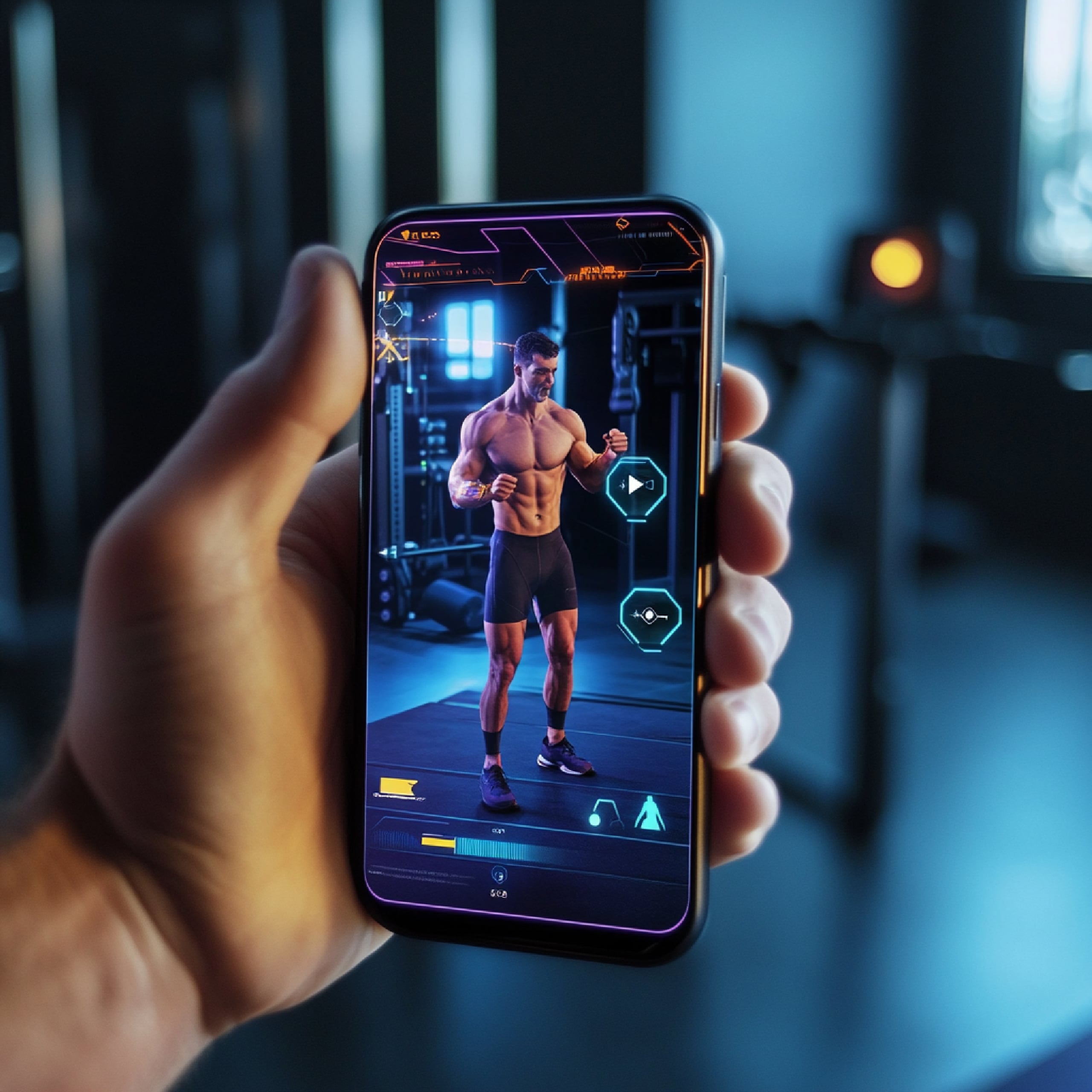
The rise of fitness apps, wearable devices, and integrated wellness platforms has made gamification seamless. Employees can track their activities in real-time, join challenges instantly, and view leaderboards on mobile apps or intranet dashboards. Many companies also integrate wellness rewards—such as gift cards, extra leave days, or recognition points—directly into these platforms. This instant feedback and visibility keep employees engaged while giving employers valuable insights into participation trends and program effectiveness.
Conclusion
Gamification is redefining how corporate fitness programs operate by transforming them from routine activities into interactive, motivating experiences. By combining technology, social interaction, and healthy competition, gamified wellness initiatives drive higher participation rates, better health outcomes, and stronger team culture. For organizations looking to future-proof their wellness strategies, embracing gamification isn’t just a trend—it’s a game-changer for employee well-being and productivity.



Post Comment