






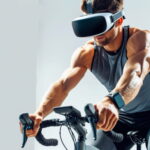


AI-Powered Coaching: Smarter Training for Athletes

The world of sports is evolving rapidly, and technology is at the heart of this transformation. One of the most exciting innovations reshaping training methods is artificial intelligence (AI)-powered coaching. By analyzing vast amounts of data and delivering actionable insights, AI is helping athletes train smarter, improve performance, and reduce the risk of injuries.
How AI Coaching Works
AI-powered coaching uses machine learning algorithms, motion analysis, and real-time data collection to evaluate an athlete’s movements, strengths, and weaknesses. Through wearable devices, cameras, and sensors, AI can track everything from running speed and reaction time to body mechanics and fatigue levels. The collected data is then processed to generate insights and personalized training recommendations, making coaching far more precise than traditional methods.
Personalized Training Programs
Every athlete is unique, and AI ensures that training reflects this individuality. Instead of relying solely on generic routines, AI systems create customized training programs based on an athlete’s body type, past performance, injury history, and current goals. For example, a runner might receive real-time feedback on stride efficiency, while a basketball player could get guidance on improving jump mechanics. This level of personalization maximizes results and helps athletes achieve peak performance faster.
Real-Time Feedback and Performance Analysis
AI-powered tools provide instant feedback during training sessions. Smart cameras and motion sensors can highlight improper form, suggest corrections, and even predict potential risks of injury. This real-time analysis allows athletes and coaches to make immediate adjustments, improving efficiency and effectiveness on the spot. In competitive sports, such insights can be the difference between winning and losing.
Injury Prevention and Recovery Support
One of the greatest benefits of AI in coaching is its ability to minimize injuries. By analyzing biomechanics and physical stress, AI can detect early warning signs of overtraining or improper movement patterns. During rehabilitation, AI systems track recovery progress and adapt training loads accordingly, ensuring a safe and effective return to play.
The Future of AI in Sports Coaching
As AI technology continues to evolve, its role in coaching will expand even further. Future systems may integrate with augmented reality (AR) and virtual reality (VR) to create immersive training simulations. AI-driven virtual coaches could also become more common, offering athletes continuous guidance even outside formal training sessions.
Conclusion
AI-powered coaching is revolutionizing sports training by making it smarter, data-driven, and highly personalized. From creating tailored training programs to preventing injuries and providing real-time feedback, AI is becoming an indispensable tool for athletes and coaches alike. As technology advances, the integration of AI in sports will only deepen, shaping a future where training is more precise, efficient, and performance-driven than ever before.
Post Comment