









Cultural Influence on Sports Preferences Across India
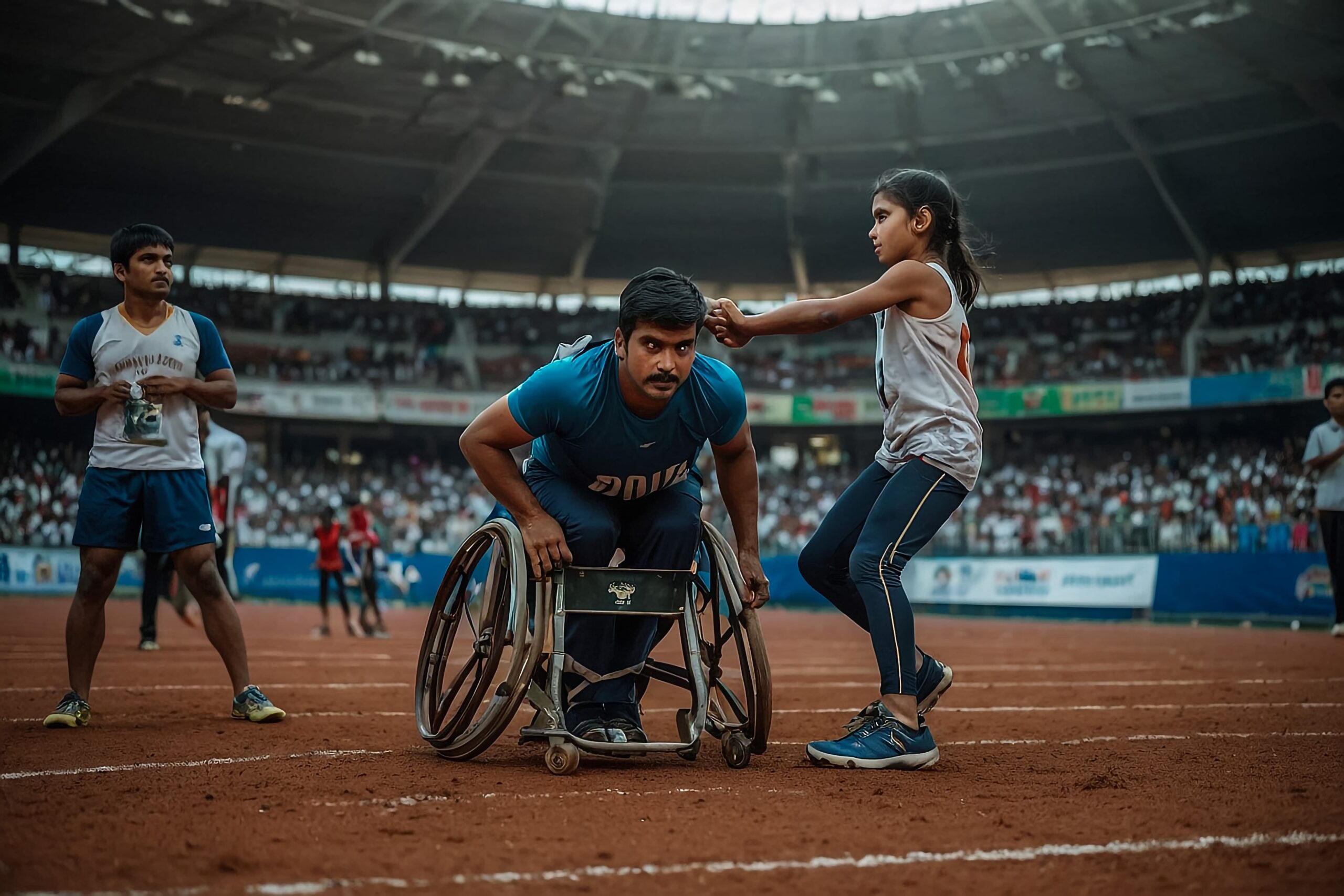
India is a land of immense cultural diversity, and this richness extends into the country’s sporting preferences. From traditional games rooted in ancient customs to the growing popularity of global sports, India’s sporting landscape is deeply shaped by regional, religious, and cultural identities. Understanding how culture influences sports preferences helps us appreciate the unique ways in which Indians connect with physical activity across different states and communities.
Regional Traditions and Indigenous Games
Each region of India has its own set of traditional sports that reflect local heritage and lifestyles. For example, Kushti (traditional wrestling) is still highly respected in the northern states like Haryana and Uttar Pradesh, where Akharas (wrestling arenas) are centers of both physical training and cultural identity. In the southern states, sports like Kabaddi and Silambam (a traditional martial art from Tamil Nadu) enjoy strong community support. Similarly, Mallakhamb in Maharashtra and Thang-Ta in Manipur highlight how deeply sports are woven into regional traditions. These games are not only sources of entertainment but also pride, identity, and discipline for many.
Religious Celebrations and Festive Sports
Many sports in India are closely tied to religious festivals and community celebrations. During Onam in Kerala, the Vallam Kali (snake boat race) is not just a sport—it’s a symbol of unity, teamwork, and cultural pride. In rural Karnataka and Andhra Pradesh, wrestling bouts during Dussehra festivals bring communities together in spirited competition. These events showcase how sports often act as a cultural extension of festivities, preserving ancient traditions and encouraging participation from all age groups.
Urbanization and Media Influence on Modern Preferences
In urban India, media and globalization have brought international sports into the spotlight. Cricket, while universally popular, is now being joined by football, badminton, and even basketball, particularly among urban youth. The rise of leagues like the Indian Super League (ISL) and Pro Kabaddi League has further influenced preferences, often blending traditional values with modern presentation. Social media has also played a major role, exposing young Indians to sports icons from around the world while also celebrating local champions who break through cultural barriers.
Conclusion
India’s sports preferences are a vivid reflection of its cultural mosaic. From traditional games rooted in history to modern sports embraced through media, the influence of culture is undeniable. Recognizing and nurturing this diversity can help promote greater sports participation, preserve heritage, and encourage a balanced growth of both indigenous and global sports across the country. As India continues to evolve, so too will its dynamic relationship between culture and sport.


Post Comment