









E-commerce vs Retail: Changing Dynamics in Sports Goods Distribution
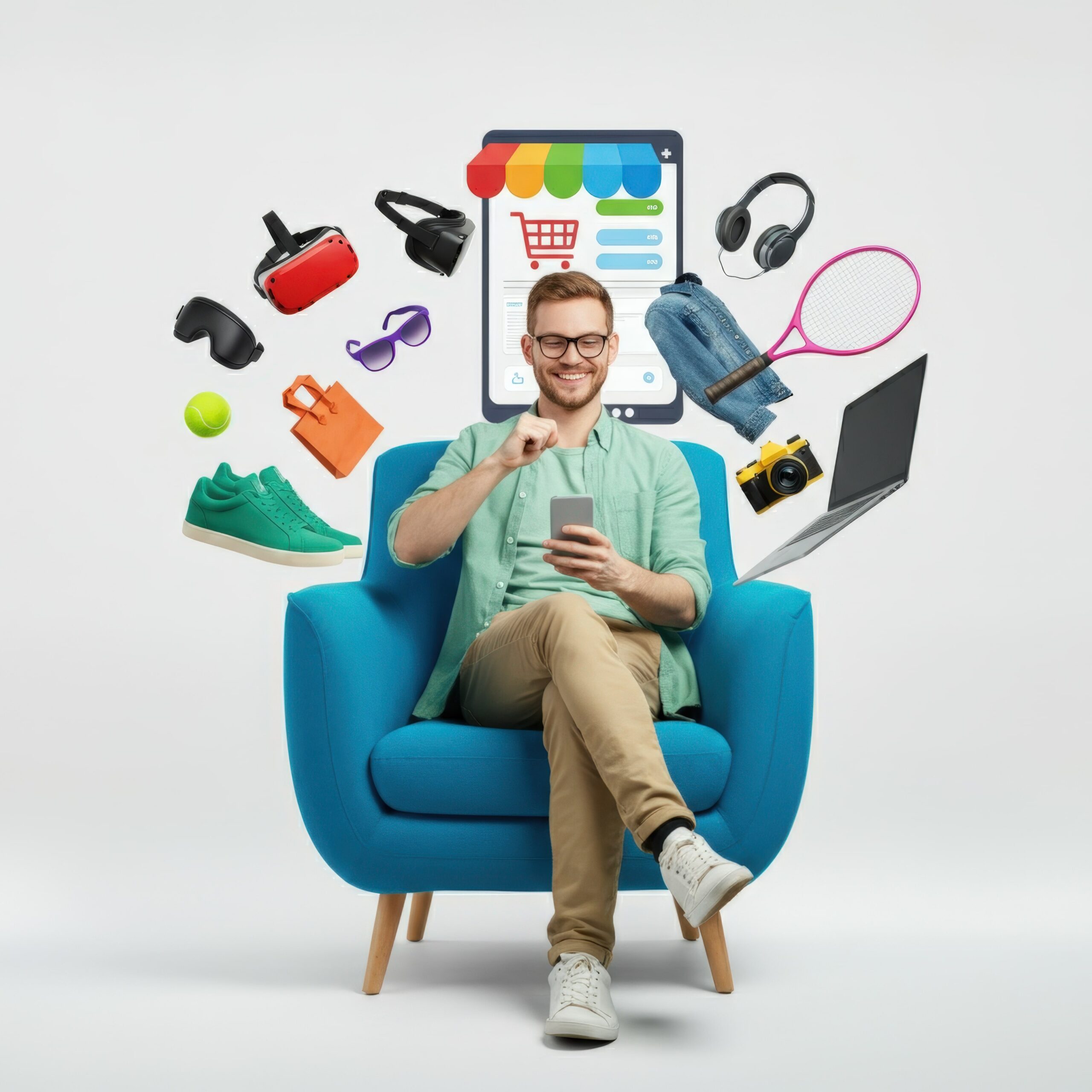
The sports goods industry in India is undergoing a major transformation. While traditional retail has long been the dominant sales channel, e-commerce platforms are rapidly reshaping the way consumers purchase sports equipment and apparel. This shift is driven by convenience, technology, and evolving consumer preferences.
The Rise of E-commerce in Sports Goods
E-commerce platforms have opened new avenues for sports goods manufacturers and retailers. Online marketplaces like Amazon, Flipkart, and specialized fitness portals offer a wide range of products with detailed specifications, reviews, and competitive pricing. The pandemic accelerated this trend, as consumers shifted to online shopping for safety and convenience. Additionally, features like easy returns, EMI options, and doorstep delivery have made online shopping the preferred choice for many.
Traditional Retail: Still Relevant, But Evolving
Despite the e-commerce boom, brick-and-mortar stores remain important in India’s sports goods market. Physical stores provide a tactile experience, allowing customers to test the quality, fit, and comfort of products before purchase. Large-format stores and sports brand outlets are also integrating technology such as virtual try-ons and in-store digital catalogs to enhance the shopping experience. However, their market share is gradually being challenged by online platforms offering greater variety and discounts.
The Omnichannel Approach: Future of Sports Goods Distribution
The future lies in an omnichannel strategy where brands integrate both online and offline channels to provide a seamless shopping experience. Many leading sports brands now offer services like “order online, pick up in-store,” live virtual consultations, and loyalty programs that work across both channels. This hybrid approach caters to consumer demand for convenience while retaining the trust and engagement of physical retail.
Conclusion
The dynamics of sports goods distribution in India are changing rapidly, driven by digital transformation and consumer expectations. While e-commerce continues to grow at an unprecedented pace, physical retail will remain relevant through experiential shopping and value-added services. Businesses that adopt an omnichannel strategy and leverage technology effectively will be best positioned to thrive in this evolving landscape.



Post Comment