









The Future of Smart Wearables in Sports: Trends from International Exhibitions
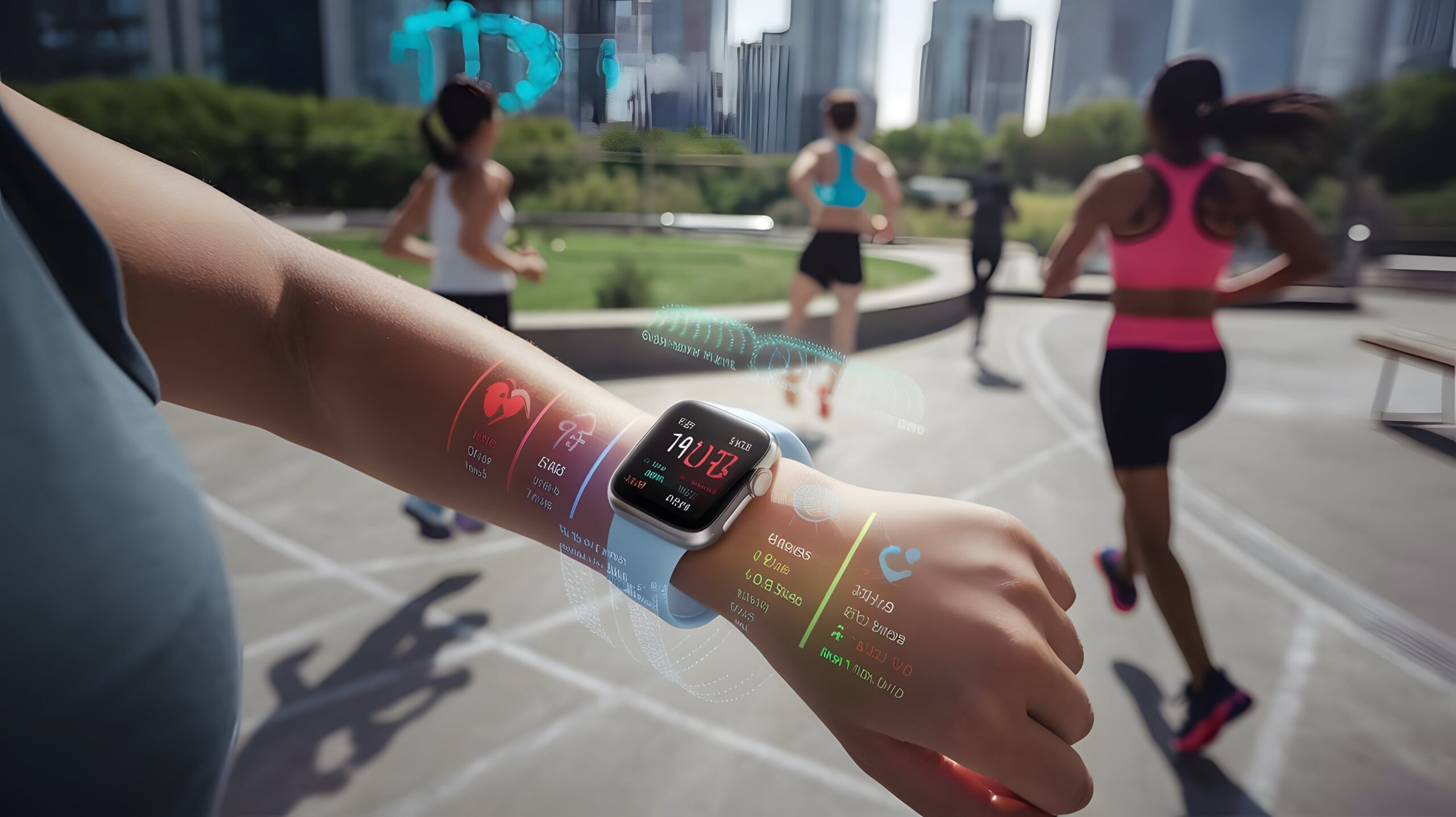
Smart wearables are redefining athletic performance and fitness training across the globe. At leading international sports exhibitions, innovators are introducing next-gen wearable technologies designed to help athletes train smarter, recover faster, and perform better. These events offer a clear vision of how wearable tech will evolve in the coming years — combining AI, biomechanics, and sustainability to shape the future of sports.
Immersive Integration & Real-Time Feedback
Wearables showcased at global sports shows are evolving from simple trackers into intelligent training companions. They now seamlessly integrate with smart gym equipment, virtual reality (VR) and augmented reality (AR) platforms, and performance-focused mobile apps. Real-time voice and motion guidance, posture correction through haptic signals, and interactive coaching environments help athletes improve technique and prevent injuries with immediate personalized feedback. This immersive experience turns training into a fully responsive, data-driven journey.
Material Innovation & Ultra-Comfortable Design
Comfort and durability have become key priorities in wearable innovation. Exhibitions are highlighting devices built with stretchable circuits, breathable smart fabrics, and seamless sensor integration, allowing athletes to train freely without discomfort or distraction. Smart compression shirts, embedded-sensor leggings, and performance footwear designed with lightweight flexible materials are gaining popularity. Sustainability is also becoming central, with brands developing eco-friendly wearable products made from recycled fibers and plant-based materials, ensuring technology and environmental responsibility go hand in hand.
Performance Recovery & Injury-Prevention Technology
Modern wearables are shifting beyond performance tracking to focus on proactive recovery and injury prevention. Advanced compression gear, hydration-monitoring bands, AI-based rehabilitation tools, and muscle-monitoring sensors help athletes manage fatigue and avoid strain. Many innovations showcased at international events also support post-training recovery through vibration therapy, micro-stimulation, and guided stretching features. These technologies make it easier for athletes to recover efficiently, maintain peak form, and extend their performance longevity.
Conclusion
The future of smart wearables in sports is dynamic, intelligent, and deeply athlete-centric. From immersive coaching experiences to sustainable materials and advanced recovery solutions, global exhibitions demonstrate how technology is reshaping fitness and athletic performance. As these innovations continue to grow, smart wearables will transition from optional accessories to essential training tools — empowering athletes at every level to reach new heights in performance, safety, and overall wellness.


Post Comment