









Latest Advances in Sports Infrastructure

Sports infrastructure is critical in supporting athletes and enhancing the spectator experience. Recent advancements in this field have revolutionized stadiums, training facilities, and sports complexes, ensuring they meet the highest standards of safety, functionality, and sustainability. Indian Exhibition Services (IES), a leading exhibition company in India, explores the latest trends and innovations in sports infrastructure. Here are the key aspects to consider.
Smart Stadiums and Arenas
Smart stadiums and arenas are at the forefront of sports infrastructure advancements, leveraging technology to improve the experience for athletes, fans, and managers.
Advanced Connectivity: High-speed internet and Wi-Fi are essential in modern stadiums, allowing fans to stay connected, share their experiences on social media, and access real-time information. Enhanced connectivity also supports mobile ticketing, cashless payments, and interactive apps that offer an enriched fan experience.
Smart Lighting: LED lighting systems with advanced controls provide optimal illumination for events while reducing energy consumption. Smart lighting can be adjusted based on the type of event, time of day, and specific requirements, ensuring perfect visibility for athletes and spectators. Additionally, dynamic lighting can create stunning visual effects, enhancing the overall atmosphere of the venue.
Security Systems: Modern sports facilities are equipped with sophisticated security systems, including high-definition surveillance cameras, facial recognition technology, and automated entry systems. These measures enhance safety for all attendees and ensure a secure environment. Real-time monitoring and data analysis help in identifying and addressing potential threats quickly.
Sustainable Sports Facilities
Sustainability is a significant focus in the development of sports infrastructure. Eco-friendly practices not only reduce the environmental impact but also offer cost savings and improve the overall experience.
Green Building Materials: The use of sustainable building materials, such as recycled steel, bamboo, and low-VOC (volatile organic compounds) paints, minimizes the environmental footprint of sports facilities. These materials are durable, cost-effective, and contribute to healthier indoor environments.
Energy Efficiency: Sports complexes are increasingly incorporating renewable energy sources, such as solar panels and wind turbines, to power their operations. Energy-efficient HVAC (heating, ventilation, and air conditioning) systems, along with smart energy management solutions, further reduce energy consumption and operational costs.
Water Conservation: Innovative water management systems, including rainwater harvesting, greywater recycling, and low-flow fixtures, are essential for conserving water in sports facilities. These systems ensure that water is used efficiently, reducing the strain on local resources and promoting sustainability.
Advanced Training and Rehabilitation Facilities
State-of-the-art training and rehabilitation facilities are crucial for athlete development and recovery. Advances in these areas enhance performance and ensure the well-being of athletes.
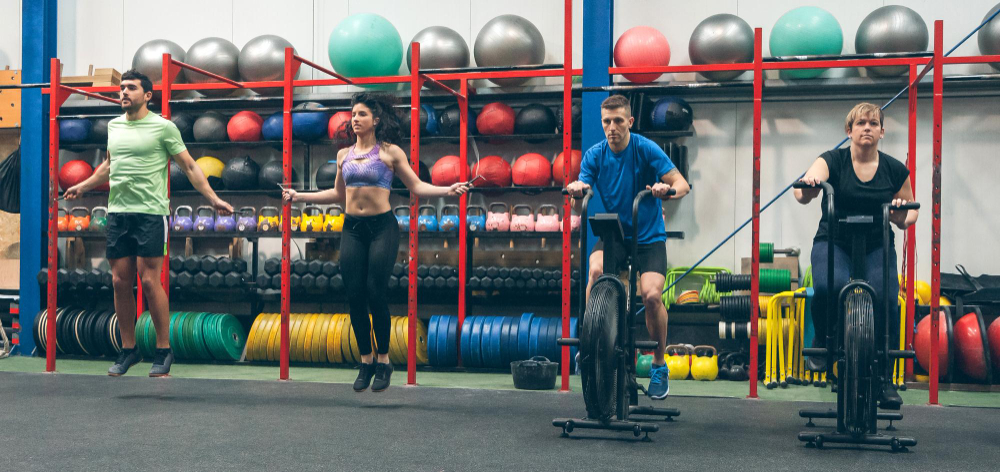
High-Tech Training Equipment: Modern training facilities are equipped with advanced equipment that provides precise data on an athlete’s performance. This includes motion capture systems, force plates, and smart wearables that monitor various parameters such as speed, strength, and endurance. Data-driven insights help coaches and trainers tailor programs to individual athletes’ needs.
Rehabilitation Technologies: Innovative rehabilitation equipment, such as hydrotherapy pools, anti-gravity treadmills, and cryotherapy chambers, support faster and more effective recovery from injuries. These technologies provide targeted treatment, reduce recovery time, and help athletes return to peak performance safely.
Sports Science Labs: Integrated sports science labs within training facilities offer comprehensive support for athlete development. These labs conduct physiological and biomechanical assessments, nutritional analysis, and psychological support, ensuring a holistic approach to athlete care and performance enhancement.
The latest advances in sports infrastructure are transforming the way sports facilities are designed, built, and operated. From smart stadiums and sustainable practices to advanced training and rehabilitation technologies, these innovations are enhancing the experience for athletes and fans alike.

Post Comment