









Mental Health Meets Physical Fitness: A Holistic Approach

In today’s fast-paced world, fitness is no longer only about lifting weights or building stamina — it’s equally about cultivating mental strength, emotional balance, and inner peace. As awareness grows, people are adopting a holistic approach where mental health meets physical fitness. This balance not only improves physical performance but also enhances overall well-being, self-confidence, and quality of life.
Mind-Body Connection in Fitness
The relationship between mental and physical health is deeply connected. When the mind is calm and focused, the body performs better. Exercise releases endorphins — natural mood boosters — helping reduce stress, anxiety, and depression. At the same time, poor mental health can affect motivation, performance, and energy levels. Fitness enthusiasts now understand that the body and mind thrive when trained together, making mindfulness an essential part of modern fitness routines.
Movement as a Stress-Relief Tool
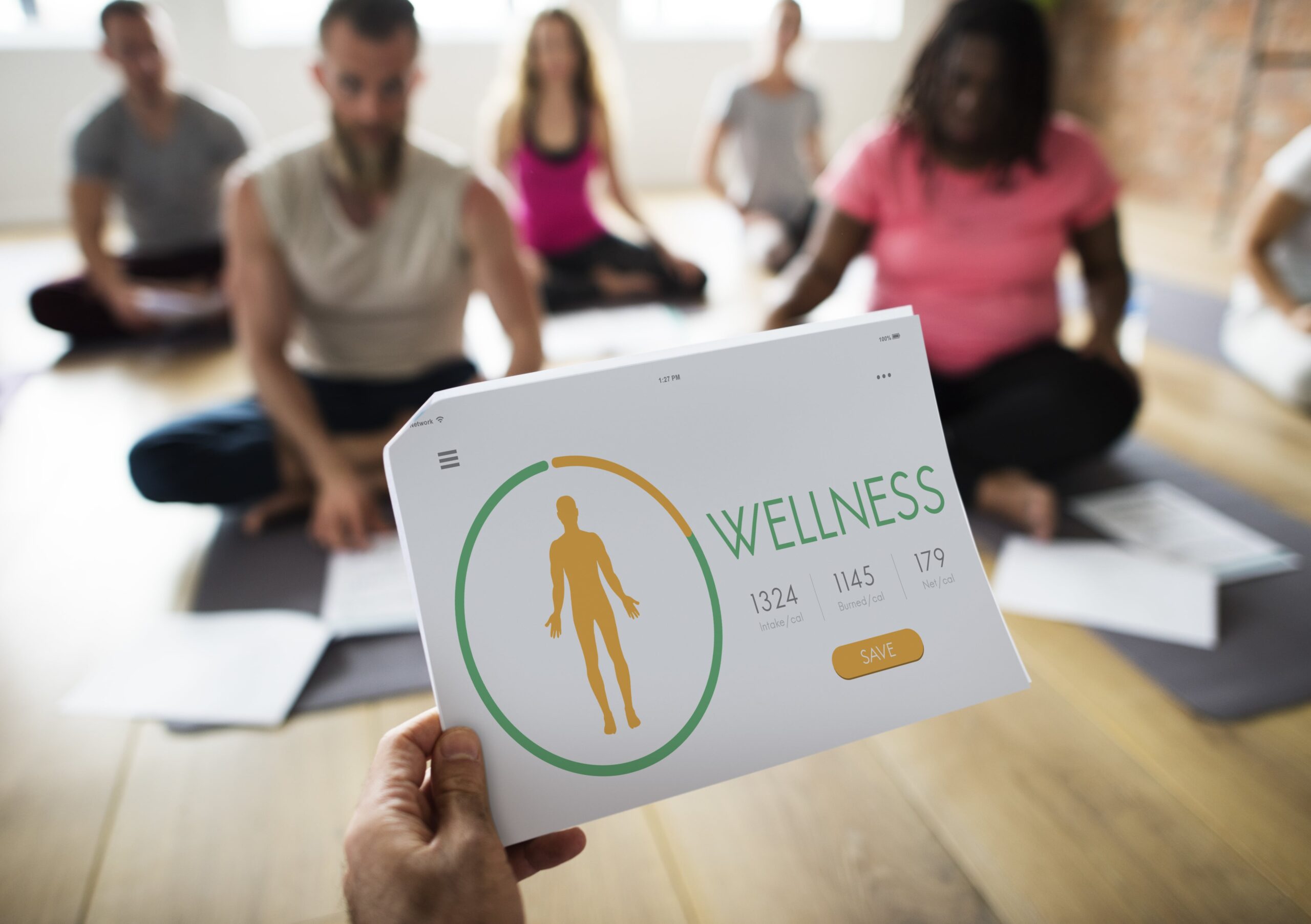
Daily movement is one of the most powerful tools for mental wellness. Activities like yoga, running, weight training, or even a brisk walk help clear the mind, improve mood, and boost energy. Mindful workouts — including yoga, Pilates, and breathing exercises — help manage stress and promote relaxation. Fitness today isn’t just about physical transformation; it’s about emotional stability, mental clarity, and feeling good from the inside out.
Nutrition for the Mind & Body
What we eat affects both our muscles and our mood. A balanced diet rich in omega-3 fatty acids, vitamins, minerals, whole grains, and lean protein supports brain function and emotional health. Healthy eating habits improve concentration, reduce mood swings, and enhance recovery. Supplements like magnesium, omega-3, vitamin D, and herbal adaptogens also support stress relief and mental wellness, making nutrition a key part of a holistic fitness lifestyle.
Rest, Recovery & Self-Care
True fitness includes rest, recovery, and self-care. Sleep plays a vital role in mood regulation, muscle repair, and brain function. Top athletes and fitness lovers prioritise quality sleep, active recovery, and relaxation practices such as meditation, stretching, and digital detox. Taking breaks, practicing gratitude, and spending time outdoors are equally important for emotional and physical rejuvenation.
Conclusion
Mental health and physical fitness go hand in hand — one fuels the other. A holistic approach helps you build strength, resilience, emotional balance, and long-term well-being. Whether you’re lifting weights, doing breathwork, eating mindfully, or prioritising rest, each step contributes to a healthier mind and body. Embrace this balanced path and watch your overall wellness transform from the inside out.


Post Comment