









The Role of Sleep in Fitness and Recovery
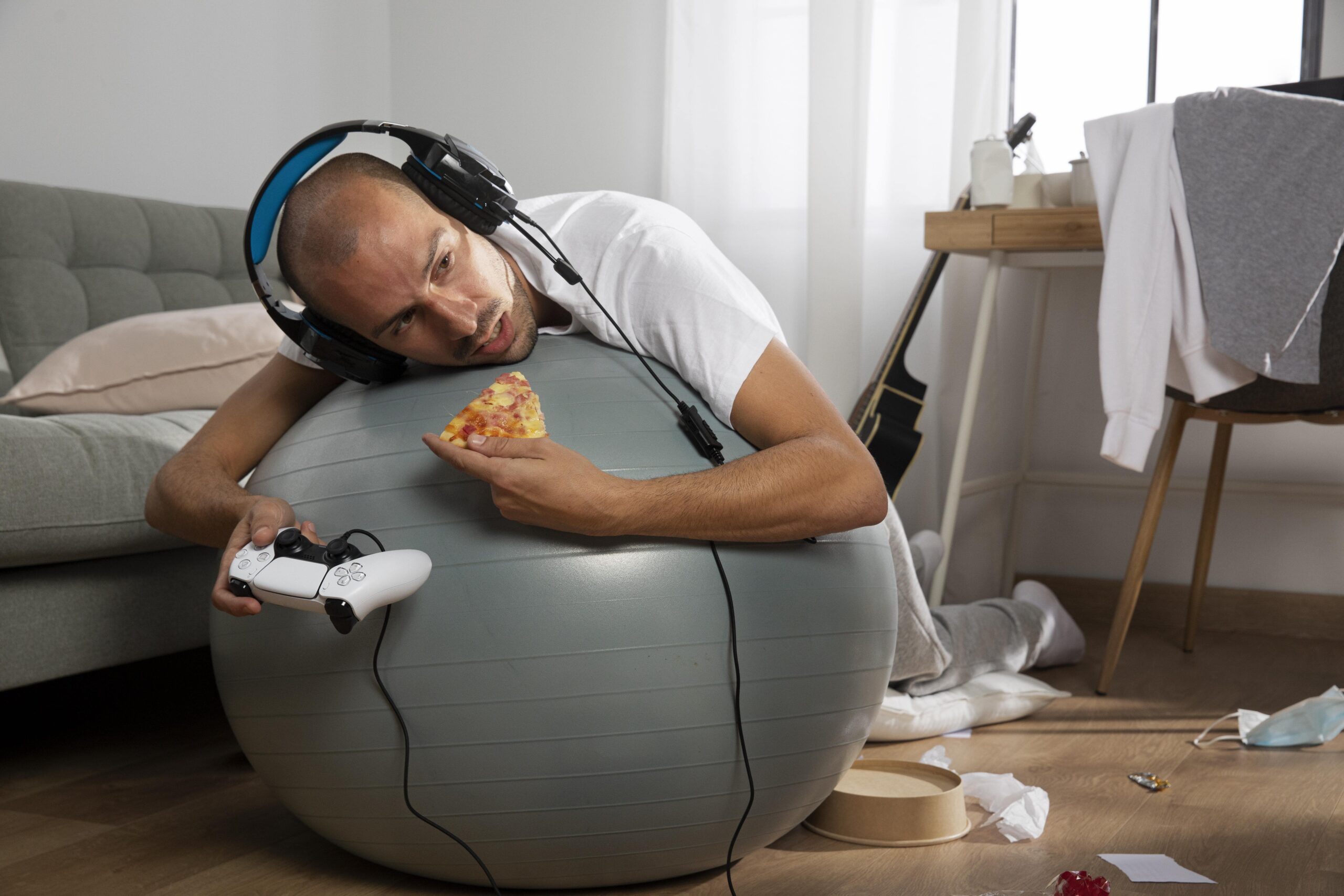
In the world of health and wellness, exercise and nutrition often get the spotlight — but sleep is the hidden powerhouse behind truly effective fitness results. Quality sleep plays a crucial role in muscle recovery, energy restoration, hormone regulation, and overall athletic performance. No matter how intense your workout routine is, without proper rest, the body cannot repair, rebuild, or grow stronger. Understanding the role of sleep in fitness and recovery can help you optimize your training and achieve long-lasting results.
Muscle Repair & Growth Happens During Sleep
When you sleep, your body enters deep repair mode. During deep sleep cycles, the body releases growth hormones that help repair microscopic muscle tears from exercise, rebuild tissues, and promote muscle growth. Lack of sleep slows recovery, increases muscle soreness, and limits strength gains. A consistent sleep routine ensures faster recovery and improved physical performance.
Better Sleep Boosts Performance & Energy
Sleep fuels the body just like nutrition. A well-rested body has better endurance, strength, and reaction time. Athletes who prioritize sleep experience sharper focus, faster reflexes, and better stamina during workouts. On the other hand, sleep deprivation can lead to fatigue, reduced motivation, and slow movement — ultimately affecting workout quality and fitness goals.
Sleep Supports Hormonal Balance
Hormones are key to fitness, and sleep controls many of them. Lack of sleep disrupts testosterone and growth hormone levels, both essential for muscle repair and strength building. It also raises cortisol (the stress hormone), which can slow recovery and increase fat storage. A healthy sleep cycle keeps these hormones balanced, supporting muscle development and overall wellness.
Sleep Improves Mental & Emotional Recovery
Fitness isn’t only physical — it’s mental too. Sleep helps reduce stress, improve mood, and enhance mental clarity. Restful sleep strengthens focus, self-discipline, and motivation, making it easier to stay consistent with fitness goals. Mental recovery is just as important as physical recovery, and good sleep provides the reset the brain needs after long training sessions.
Conclusion
The role of sleep in fitness and recovery is undeniable. Quality sleep enhances muscle repair, boosts performance, balances hormones, and supports mental well-being. Whether you’re an athlete or someone just starting your fitness journey, prioritizing 7–9 hours of restful sleep each night is essential for achieving the best results. Remember — train hard, eat smart, and sleep well to unlock your body’s full potential.


Post Comment