









Virtual Reality Training: A New Era in Athlete Development
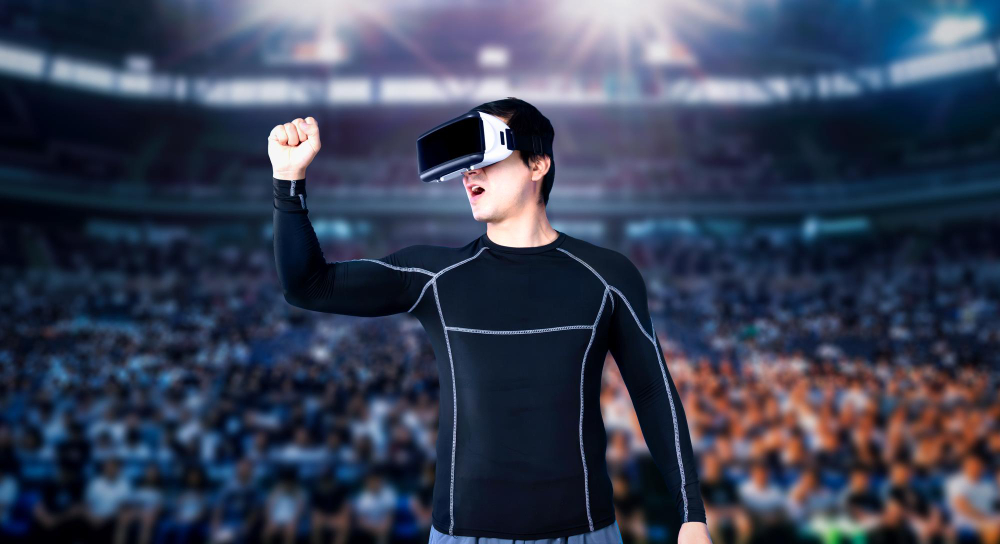
In modern sports, physical power alone isn’t enough. Athletes today need sharper instincts, strategic thinking, and the ability to stay calm under pressure. Virtual Reality (VR) has emerged as a game-changing technology in athlete development, creating realistic training environments that replicate live match conditions without stepping onto the field. With VR, training becomes smarter, faster, and far more precise, giving athletes a competitive edge that traditional methods cannot match.
Immersive Real-Match Preparation
While physical practice builds skill, it cannot always recreate real-game pressure. VR bridges that gap by offering highly immersive environments that mirror actual stadiums, opponent movements, and crowd reactions. Athletes can rehearse match situations repeatedly, master complex techniques, and sharpen decision-making in a safe and controlled space. Whether it’s a football player practicing penalty kicks or a boxer anticipating punches, VR helps build better reflexes, deeper awareness, and stronger on-field confidence through virtual repetition and strategic practice.
Mental Strength and Focus Training
Great athletes are not only physically fit — they are mentally unshakeable. VR training enhances sports psychology by helping players prepare mentally for intense competition. Through guided simulations, athletes learn to stay calm under pressure, visualize winning scenarios, and recover mentally after errors or setbacks. This technology strengthens emotional control, improves focus, and builds mental resilience, allowing athletes to perform with confidence even in the most high-stakes situations.
Safe Skill-Building and Smart Performance Insight
VR also reduces physical strain by allowing athletes to practice critical movements without constant physical contact or repetitive stress. It uses motion tracking and advanced analytics to study posture, movement patterns, reaction time, and technique. Coaches can immediately identify weaknesses and make corrections, helping players improve faster and smarter. By combining physical skills with data-driven insights, VR minimizes injury risks, accelerates learning, and elevates overall performance.
Conclusion
Virtual Reality has quickly become one of the most innovative tools in modern sports training. It blends realistic match simulation, mental conditioning, and precise performance analysis to build athletes who are technically skilled, mentally strong, and competition-ready. As more sports academies and professional teams adopt this technology, VR is set to shape the future of athlete development. The next generation of champions will be prepared through technology-driven training — sharper in mind, stronger in skill, and ready to dominate the field with confidence.

Post Comment