









Wearable Fitness Technology Trends Shaping the Future of Sports Training
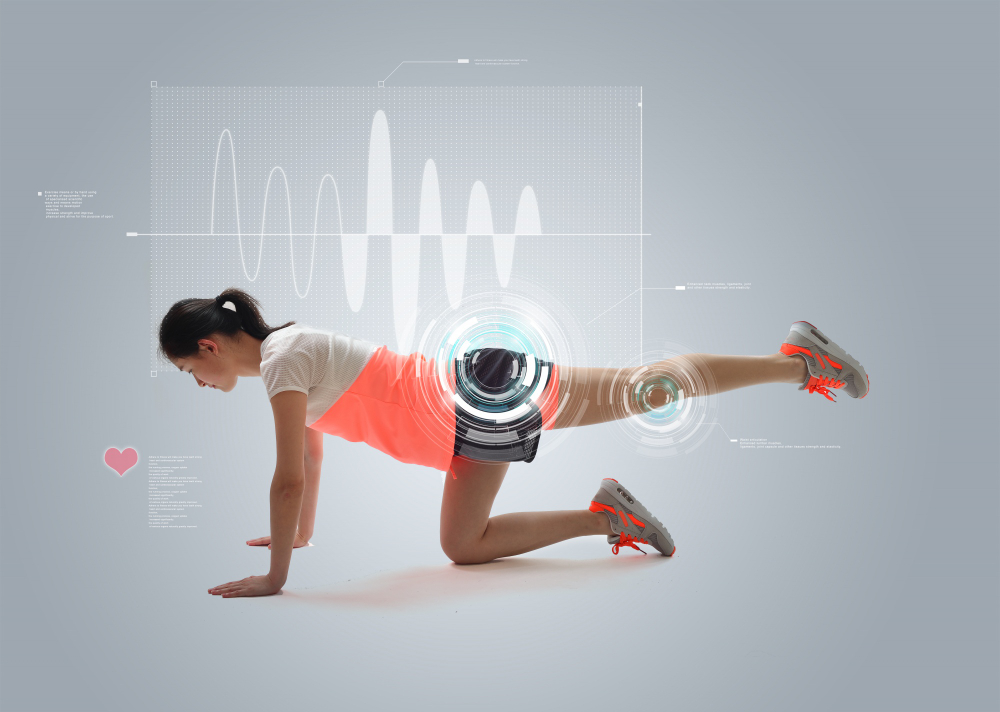
Wearable fitness technology is transforming the sports and athletic training landscape. From smartwatches and heart rate monitors to advanced biometric sensors, these devices provide athletes with real-time data and actionable insights. By leveraging wearable technology, trainers and athletes can optimize performance, monitor health, and reduce injury risks, fundamentally reshaping how sports training is conducted.
Personalized Training Through Real-Time Data
Wearables allow athletes to track a variety of metrics, including heart rate, sleep patterns, calories burned, and movement efficiency. By analyzing this data, coaches can design personalized training programs tailored to each athlete’s strengths, weaknesses, and recovery needs. Real-time feedback ensures that training intensity is optimized, performance goals are met, and athletes maintain peak condition without overexertion.
Injury Prevention and Recovery Optimization
Wearable devices provide insights into fatigue levels, joint stress, and muscle strain, helping athletes avoid overtraining and prevent injuries. Advanced sensors can detect abnormal movement patterns, offering early warning signs before injuries occur. Furthermore, data from wearables supports recovery strategies such as monitoring sleep quality, hydration, and heart rate variability, ensuring athletes return to training safely and efficiently.
Enhancing Competitive Performance
During competitions, wearable technology enables precise performance tracking and strategy adjustments. Metrics like speed, acceleration, and biomechanics allow athletes to refine techniques and improve efficiency. Coaches can use this data to make informed tactical decisions and develop performance strategies, ensuring every action on the field is optimized for success.
Conclusion
Wearable fitness technology is shaping the future of sports training by combining data, analytics, and real-time feedback. It empowers athletes to train smarter, prevent injuries, and maximize performance while providing coaches with valuable insights to enhance strategy and technique. As technology evolves, wearable devices will continue to play an essential role in advancing sports science and pushing athletic performance to new heights.


Post Comment