









Why Experiential Marketing Is Dominating Trade Exhibitions

Shifting from Passive Viewing to Active Engagement
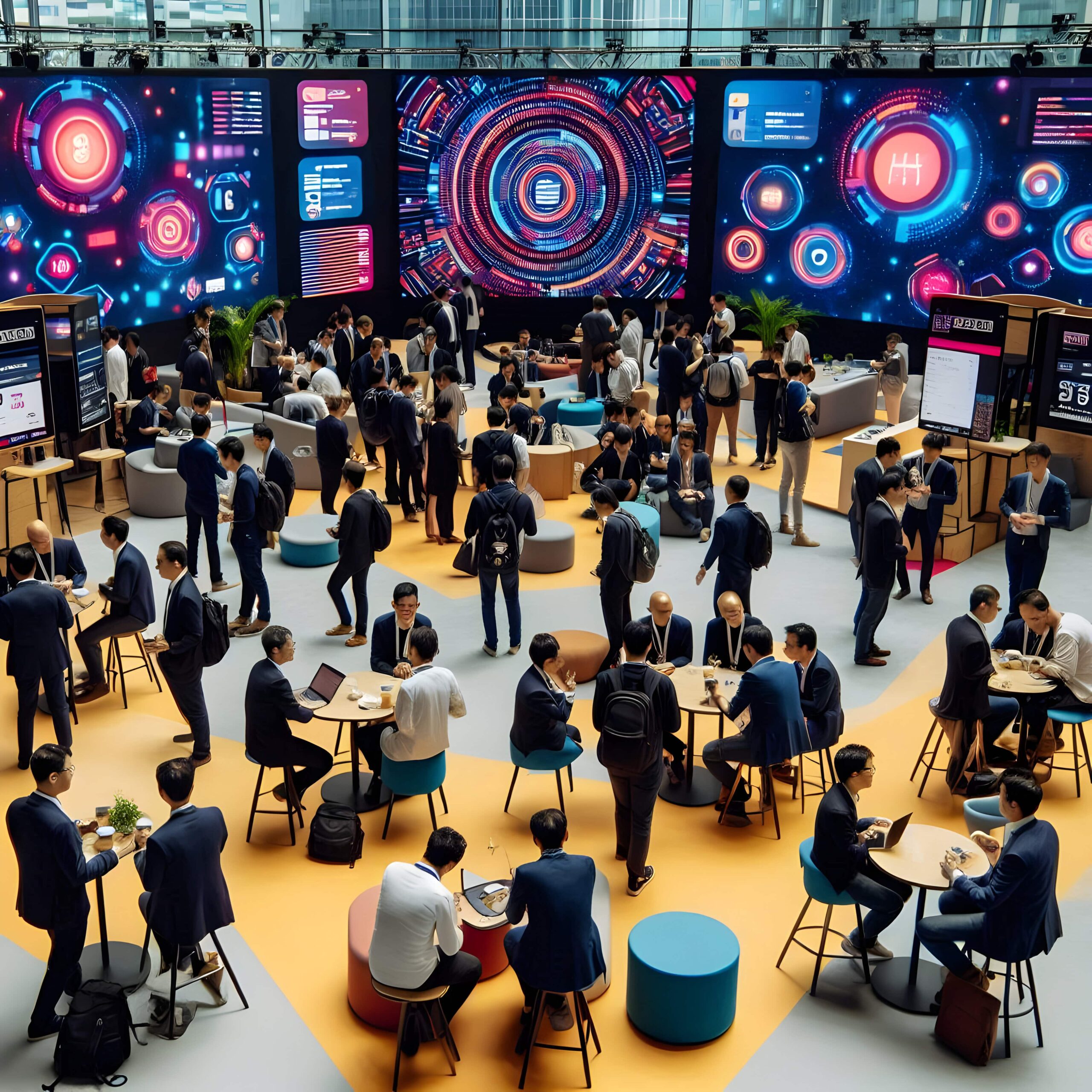
Gone are the days when trade exhibitions were limited to static booths and product brochures. Today’s attendees expect immersive, interactive experiences that leave a lasting impression. Experiential marketing transforms exhibition spaces into dynamic environments where visitors can touch, test, and truly feel a brand. This hands-on approach increases emotional connection, brand recall, and conversion potential—key reasons why it has become a vital strategy for successful trade shows.
Storytelling Through Live Demonstrations and Activities
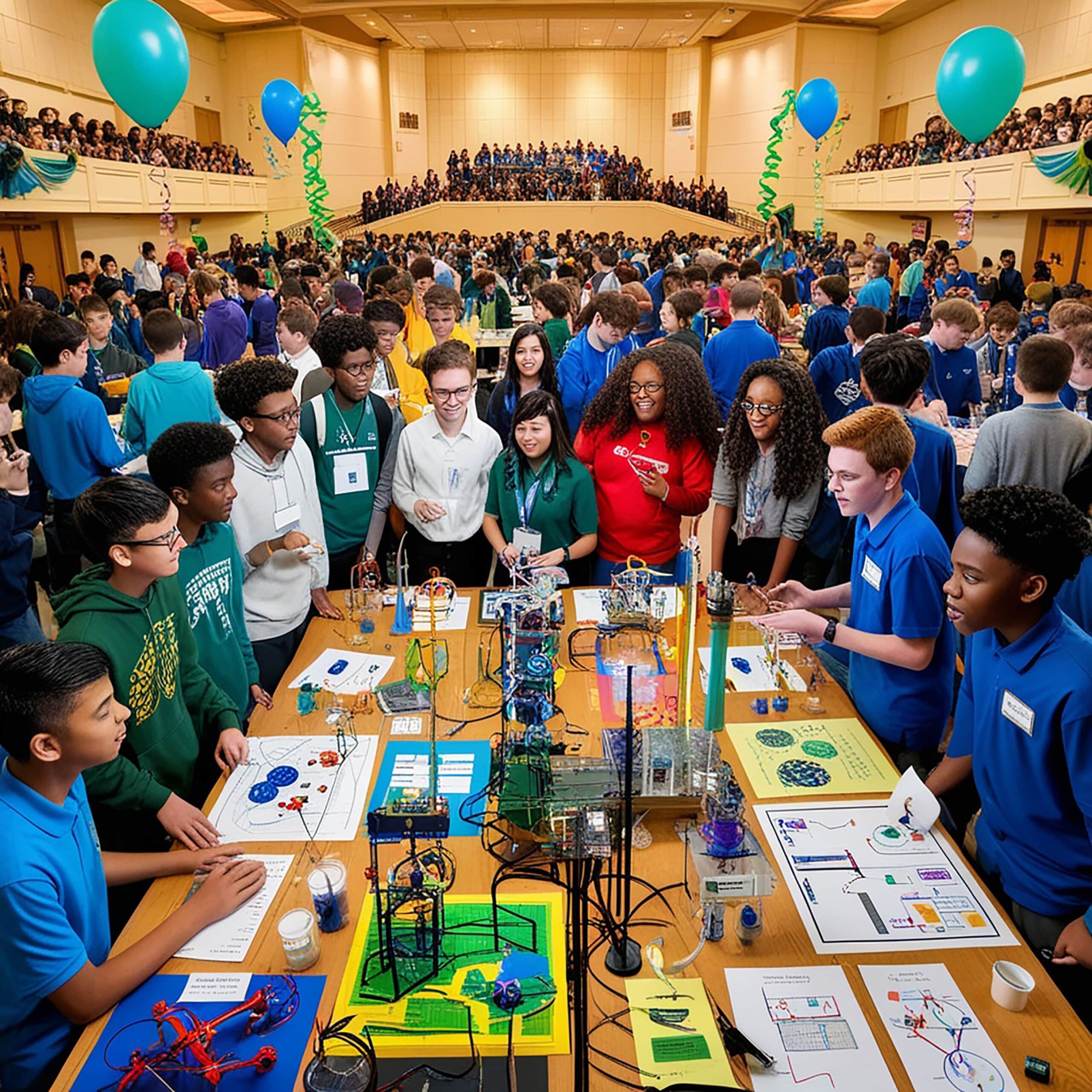
Experiential marketing thrives on storytelling, allowing brands to communicate their message in a more authentic and engaging manner. Live product demos, themed booths, workshops, and interactive games help visitors understand not just what a product does—but how it fits into their lifestyle or business needs. For example, at a fitness expo, attendees might join live workout sessions, try wearable tech, or participate in fitness challenges—all making the experience memorable and share-worthy.
Leveraging Technology to Deepen Engagement
Technology plays a major role in enhancing experiential marketing at exhibitions. Virtual reality (VR), augmented reality (AR), gamification, and real-time social media integration help brands create multisensory experiences. These tools capture attention and encourage participation, while also generating valuable data on visitor behavior. This tech-enabled engagement helps exhibitors refine their strategies and measure ROI more effectively than ever before.
Conclusion: Experience Is the New Currency in Exhibitions
In today’s highly competitive exhibition environment, brands need more than just visibility—they need to create value through memorable experiences. Experiential marketing empowers exhibitors to connect with their audience on a deeper level, differentiate from competitors, and drive measurable results. As trade exhibitions evolve, those who embrace interactive, customer-centric approaches will lead the way in building brand loyalty and lasting impact.

Post Comment