









Cricket Rules Explained: A Beginner’s Guide to Understanding the Game
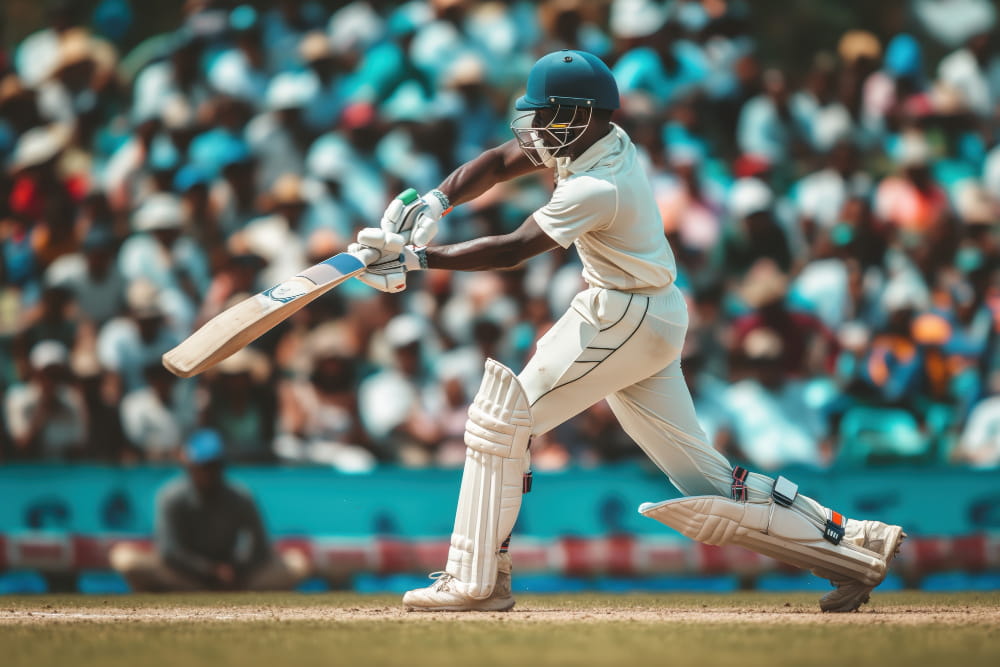
Cricket is one of the most popular sports in the world, with billions of fans following domestic leagues and international tournaments throughout the year. While the game is exciting to watch, it can seem confusing to beginners because of its unique terminology, scoring system, and various formats. Understanding the basic rules of cricket not only makes watching matches more enjoyable but also helps new players participate with confidence.
Whether you’re a complete beginner, a parent introducing cricket to your child, or someone looking to understand the sport before watching your first match, this guide explains cricket rules in simple language.
What Is Cricket?
Cricket is a bat-and-ball sport played between two teams of 11 players each. The game is played on a large oval-shaped field with a 22-yard pitch at the center.
One team bats to score runs, while the other team bowls and fields to prevent runs and dismiss the batters. Once the first team’s innings is complete, the teams swap roles. The team with the highest score at the end of the match wins.
Cricket is a game of skill, strategy, patience, and teamwork. Every player has a specific role, and success depends on how well the team performs together.
Cricket Ground and Equipment
Understanding the playing area is the first step to learning cricket.
A cricket field is generally circular or oval in shape. At its center lies the pitch, which measures 22 yards (20.12 meters) in length.
At each end of the pitch are three wooden stumps topped with two bails, collectively known as the wicket.
The essential cricket equipment includes:
- Cricket bat
- Leather cricket ball
- Stumps and bails
- Batting helmet
- Batting pads
- Gloves
- Thigh guard
- Arm guard
- Chest guard
- Abdominal guard
- Cricket shoes
Protective equipment is especially important because cricket balls can travel at speeds exceeding 140 km/h (87 mph).
Understanding Player Roles
Every cricket team consists of eleven players, but each player has different responsibilities.
Batters
Batters aim to score as many runs as possible while protecting their wicket. Strong batting performances often determine the outcome of a match.
Bowlers
Bowlers attempt to dismiss batters by delivering the ball according to the Laws of Cricket. Different bowlers specialize in pace bowling or spin bowling.
Wicketkeeper
The wicketkeeper stands behind the stumps and is responsible for catching deliveries, completing stumpings, and assisting in run-outs. This role requires quick reflexes and excellent concentration.
Fielders
The remaining players are positioned around the ground to stop runs, catch the ball, and support the bowlers by creating wicket-taking opportunities.
Objective of the Game
The basic objective of cricket is simple:
- Score more runs than the opposing team.
- Prevent the opposition from scoring.
- Dismiss all batters before they achieve the target.
The team with the higher score at the end of the match is declared the winner.
How Runs Are Scored
Runs are the foundation of cricket scoring.
Running Between the Wickets
After hitting the ball, both batters run to opposite ends of the pitch. Each successful exchange equals one run.
Multiple runs can be scored if there is enough time before the fielding team returns the ball.
Four Runs
If the ball reaches the boundary after touching the ground, the batting team automatically scores four runs.
Six Runs
If the batter hits the ball over the boundary without it bouncing first, six runs are awarded.
Sixes are considered the most powerful scoring shots in cricket.
Extra Runs
Not every run comes from the bat.
The fielding side may concede extras, which are added to the team’s total.
Extras include:
- Wide balls
- No balls
- Byes
- Leg byes
Although these runs are not credited to the batter, they contribute to the team’s score.
What Is an Over?
A bowler delivers six legal balls, known collectively as an over.
After each over:
- Another bowler bowls from the opposite end.
- Bowlers cannot bowl consecutive overs from the same end.
Overs help organize the pace and structure of a cricket match.
Innings Explained
An innings is a team’s turn to bat.
An innings ends when:
- All batters are dismissed.
- The allotted overs are completed.
- The captain declares the innings (in Test cricket).
- The target score is successfully chased.
Different cricket formats have different numbers of innings.
Cricket Match Formats
Cricket is played in three major international formats.
Test Cricket
Test cricket is the longest format and is played over five days.
Each team bats twice unless the match finishes earlier.
There is no limit on overs, making endurance, technique, and strategy extremely important.
One Day International (ODI)
ODI cricket consists of 50 overs per team.
Each side bats once, and the highest score wins.
ODIs balance patience with aggressive batting, making them popular worldwide.
Twenty20 (T20)
T20 cricket is the shortest international format.
Each team receives 20 overs, encouraging aggressive batting and fast-paced entertainment.
Most T20 matches finish in approximately three hours.
Ways a Batter Can Be Out
One of the most important aspects of cricket is understanding dismissals.
Bowled
The batter is out if the ball hits the stumps and removes the bails.
Caught
If a fielder catches the ball before it touches the ground, the batter is dismissed.
Leg Before Wicket (LBW)
A batter can be given out LBW when their leg illegally blocks a ball that would otherwise have hit the stumps, subject to the umpire’s judgment and the Laws of Cricket.
Run Out
A batter is run out when the fielding side breaks the stumps while the batter is outside their crease.
Stumped
The wicketkeeper can stump a batter who leaves the crease while attempting a shot and misses the ball, provided they are not attempting a run.
Hit Wicket
If a batter accidentally dislodges their own stumps while playing a shot or setting off for a run, they are out hit wicket.
Powerplay Rules
Limited-overs cricket includes Powerplay periods that restrict the number of fielders allowed outside the inner circle.
These rules encourage attacking cricket by giving batters more opportunities to score boundaries during the early stages of an innings.
Powerplay regulations vary slightly between ODI and T20 formats.
The Role of Umpires
Cricket matches are supervised by umpires who ensure the Laws of Cricket are followed.
Their responsibilities include:
- Declaring batters out or not out
- Calling wides and no balls
- Monitoring fair play
- Keeping track of overs
- Applying playing conditions
Modern international cricket also uses a third umpire, who reviews close decisions using video technology.
Decision Review System (DRS)
The Decision Review System (DRS) allows teams to challenge certain on-field umpire decisions.
Using technologies such as ball tracking, UltraEdge, and slow-motion replays, the third umpire determines whether the original decision should stand or be overturned.
DRS has improved decision accuracy and reduced controversial umpiring calls.
Common Cricket Terms
Understanding common terminology makes cricket easier to follow.
- Wicket: The stumps or the dismissal of a batter.
- Maiden Over: An over in which no runs are conceded.
- Century: A batter scoring 100 or more runs.
- Half-century: A score of 50 runs.
- Hat-trick: Three wickets from three consecutive legal deliveries.
- Strike Rate: The speed at which a batter scores.
- Economy Rate: Average runs conceded per over by a bowler.
Tips for Beginners
If you’re new to cricket:
- Learn player positions first.
- Understand how runs are scored.
- Watch T20 matches to grasp the basics quickly.
- Focus on the most common methods of dismissal.
- Learn the purpose of overs and innings.
- Familiarize yourself with umpire signals.
With regular viewing, cricket becomes much easier to understand.
Conclusion
Cricket is a fascinating sport that combines strategy, teamwork, athleticism, and skill. Although its rules may seem complicated at first, the fundamentals are straightforward once you understand the basics of batting, bowling, scoring, overs, and dismissals.
Whether you’re watching a Test match, an ODI, or a T20 game, knowing the rules enhances your appreciation of the sport and helps you enjoy every moment of the action. As your understanding grows, you’ll discover the tactics and excitement that have made cricket one of the world’s most beloved sports.
Frequently Asked Questions
1. How many players are there in a cricket team?
Each cricket team has 11 players.
2. How many balls are there in one over?
An over consists of six legal deliveries.
3. What is the difference between a four and a six?
A four is scored when the ball reaches the boundary after touching the ground, while a six is awarded when it clears the boundary without bouncing.
4. What is LBW in cricket?
LBW (Leg Before Wicket) is a method of dismissal where a batter illegally blocks a ball with their leg that would have gone on to hit the stumps, subject to the Laws of Cricket.
5. Which cricket format is best for beginners?
T20 cricket is generally the easiest format for beginners because it is shorter, faster, and more action-packed.



Post Comment