








Post-Pregnancy Fitness Tips: How New Moms Can Lose Weight, Regain Strength & Feel Their Best Again
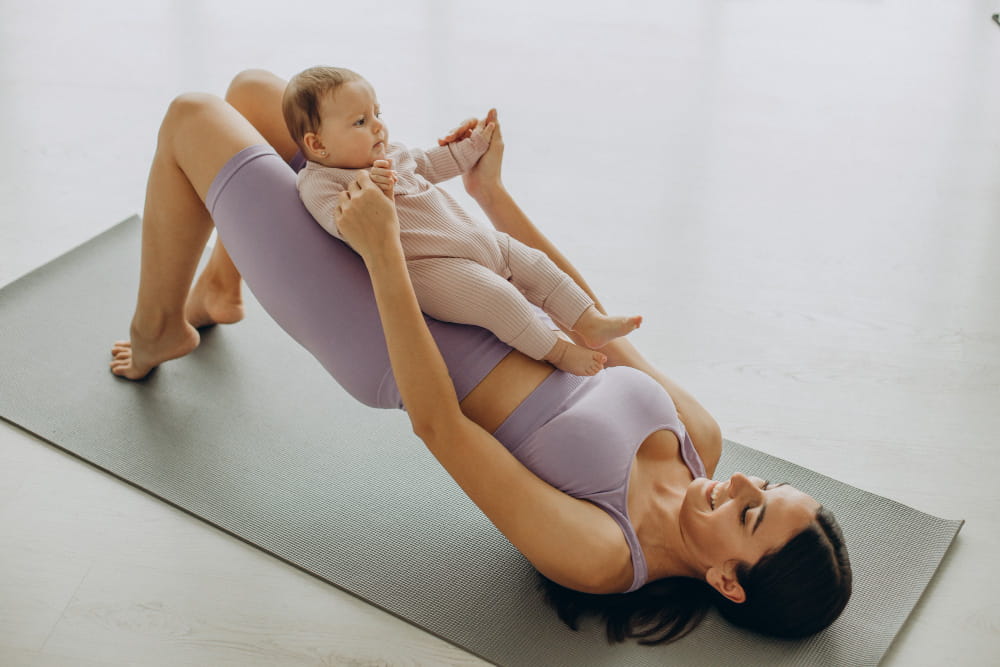
The journey of motherhood begins long before a baby is born, and the physical changes that come with pregnancy do not end after delivery. While welcoming a newborn is one of life’s most rewarding experiences, many women find themselves facing a new challenge—recovering their strength, rebuilding their confidence, and adapting to a body that feels very different from before pregnancy.
Postpartum fitness is often misunderstood. Many people associate it only with losing baby weight, but true recovery goes much deeper. It involves healing muscles and tissues, restoring core strength, improving posture, increasing energy levels, balancing hormones, and creating healthy habits that fit into a completely new lifestyle.
The good news is that every woman can make progress, regardless of age, fitness level, or how much weight was gained during pregnancy. The key is understanding that postpartum fitness is a gradual process, not a race. When approached correctly, it can help new mothers feel stronger, healthier, and more confident than ever before.
Your Body Has Accomplished Something Extraordinary
Before focusing on weight loss, it is important to recognize what the body has achieved. Pregnancy places tremendous demands on every system in the body. Muscles stretch, organs shift position, blood volume increases, and hormones fluctuate to support the baby’s growth and development.
Childbirth itself is physically demanding, whether it occurs naturally or through a cesarean section. After delivery, the body immediately begins repairing tissues, restoring hormonal balance, and recovering from months of physical stress.
This is why many women feel frustrated when they don’t immediately return to their pre-pregnancy shape. Recovery is not simply about shedding pounds; it is about allowing the body enough time to rebuild and function properly again.
Instead of asking how quickly the weight can be lost, a healthier approach is to focus on how the body can become stronger and healthier with each passing week.
Why Weight Loss Should Never Be the First Priority
One of the biggest mistakes many new mothers make is becoming obsessed with losing weight immediately after childbirth. Social media often creates unrealistic expectations by showcasing dramatic “before and after” transformations within a few weeks of delivery.
In reality, the body requires time to heal before significant weight-loss efforts should begin.
Immediately after childbirth, many women experience hormonal changes, fluid retention, disrupted sleep patterns, and increased nutritional needs. These factors can make rapid weight loss both difficult and unhealthy.
The postpartum period should focus first on recovery. Once the body begins functioning normally again, weight loss becomes a natural result of healthy eating habits, regular movement, and improved overall wellness.
Women who prioritize recovery often achieve more sustainable results than those who attempt aggressive diets or intense exercise programs too soon.
Rebuilding Strength Is More Important Than Losing Weight
One of the most noticeable effects of pregnancy is the loss of muscle strength and stability. Activities that once felt easy may suddenly feel challenging. Carrying the baby, lifting strollers, bending repeatedly, and managing household tasks can place unexpected demands on the body.
This is why rebuilding strength should become a major focus during postpartum fitness.
Strength training helps restore muscle mass, improve posture, and increase physical resilience. It also enhances metabolism, allowing the body to burn more calories throughout the day.
Many women are surprised to discover that becoming stronger often leads to better physical results than focusing exclusively on cardio workouts or calorie restriction.
When the body becomes stronger, everyday activities feel easier, energy levels improve, and confidence naturally increases.
The Hidden Impact of Pregnancy on Core Muscles
The core plays a critical role in postpartum recovery. During pregnancy, the abdominal muscles stretch significantly to accommodate the growing baby. As a result, many women experience reduced core strength and stability after childbirth.
A weakened core can contribute to lower back pain, poor posture, balance issues, and difficulty performing daily movements.
Restoring core function should be viewed as a long-term investment in overall health rather than a short-term cosmetic goal.
When the deep abdominal muscles regain strength, they provide better support for the spine and improve overall body mechanics. This creates a stronger foundation for future workouts and reduces the risk of injury.
Many fitness experts consider core rehabilitation one of the most important aspects of postpartum recovery because nearly every movement performed throughout the day depends on core stability.
Why Walking Is One of the Best Postpartum Exercises
Walking is often overlooked because it seems too simple compared to gym workouts or high-intensity training programs. However, for new mothers, walking may be one of the most effective exercises available.
Walking gently increases heart rate, improves circulation, supports recovery, and helps burn calories without placing excessive strain on the body.
Unlike structured workouts that require dedicated time and equipment, walking can easily become part of a mother’s daily routine. A short stroll with the baby, a walk around the neighborhood, or even several brief walking sessions throughout the day can provide meaningful health benefits.
The consistency of walking is what makes it so powerful. Small amounts of daily movement can gradually improve endurance, increase calorie expenditure, and support steady weight loss over time.
Nutrition Matters More Than Most Mothers Realize
Exercise is important, but nutrition often has an even greater influence on postpartum recovery and body composition.
After childbirth, the body requires a continuous supply of nutrients to repair tissues, support immune function, regulate hormones, and provide energy for daily activities. For mothers who are breastfeeding, nutritional demands may be even higher.
Unfortunately, many women attempt to lose weight by drastically reducing food intake. While this may produce short-term changes on the scale, it often leads to fatigue, nutrient deficiencies, and increased cravings.
A balanced approach to nutrition is far more effective. Foods rich in protein help preserve muscle mass and support recovery. Fruits and vegetables provide essential vitamins and minerals, while healthy fats contribute to hormone production and overall health.
The goal should not be eating less. The goal should be eating smarter.
The Relationship Between Sleep and Weight Loss
Sleep deprivation is one of the most common challenges of early motherhood, yet it is rarely discussed as a fitness factor.
When sleep quality declines, the body experiences hormonal changes that increase hunger and reduce feelings of fullness. This often leads to stronger cravings for sugary foods and processed snacks.
Poor sleep can also reduce exercise performance, slow recovery, and decrease overall energy levels.
While uninterrupted sleep may not always be realistic with a newborn, finding opportunities for additional rest can significantly improve physical and mental health.
Many women discover that improving sleep habits leads to better weight-loss results than increasing workout intensity.
Mental Health Is Part of Fitness
Postpartum wellness extends beyond physical appearance. Emotional well-being plays a major role in recovery and overall quality of life.
The transition into motherhood can be overwhelming. Hormonal changes, lack of sleep, lifestyle adjustments, and new responsibilities can all contribute to feelings of stress and anxiety.
When stress levels remain high for extended periods, maintaining healthy habits becomes more difficult. Emotional eating, fatigue, and reduced motivation often follow.
Physical activity can be a powerful tool for improving mental health. Regular movement releases chemicals that improve mood, reduce stress, and promote feelings of well-being.
Taking care of mental health should never be viewed as separate from fitness. The two are deeply connected.
Focus on Progress, Not Perfection
One of the greatest barriers to postpartum success is the belief that fitness must be perfect.
Many mothers abandon healthy habits because they miss a workout, eat an unhealthy meal, or fail to follow a strict plan. However, sustainable fitness is built on consistency, not perfection.
A twenty-minute walk is better than no exercise at all. A nutritious homemade meal is valuable even if every meal is not perfect. Small positive actions performed consistently produce far greater results than occasional extreme efforts.
The women who achieve lasting success are not necessarily the most disciplined. They are often the ones who continue moving forward even when life becomes busy and unpredictable.
Creating a Sustainable Postpartum Fitness Lifestyle
The most successful postpartum fitness journey is one that fits naturally into daily life.
Rather than chasing rapid transformations, focus on creating habits that can be maintained for months and years. Consistent movement, balanced nutrition, proper recovery, and realistic expectations form the foundation of long-term success.
Fitness should enhance motherhood, not compete with it. The goal is to become healthier, stronger, and more energetic so that you can fully enjoy every stage of your child’s growth and development.
When fitness becomes part of your lifestyle rather than a temporary project, results become more sustainable and rewarding.
Conclusion
Post-pregnancy fitness is not about getting your old body back—it is about building a stronger, healthier version of yourself after one of the most remarkable experiences of your life.
Losing baby weight, rebuilding strength, restoring confidence, and improving overall health all take time. By prioritizing recovery, nourishing your body with quality nutrition, staying active, improving sleep, and maintaining realistic expectations, you can achieve meaningful and lasting results.
Remember that your body spent months creating and nurturing a new life. Give yourself the same patience, kindness, and care during recovery. Every step forward, no matter how small, is progress. With consistency and self-belief, you can regain your strength, feel your best again, and embrace motherhood with confidence and energy.
Post Comment