









Virtual vs. In-Person Exhibitions: Pros, Cons & Hybrid Potential

The Strengths of In-Person Exhibitions
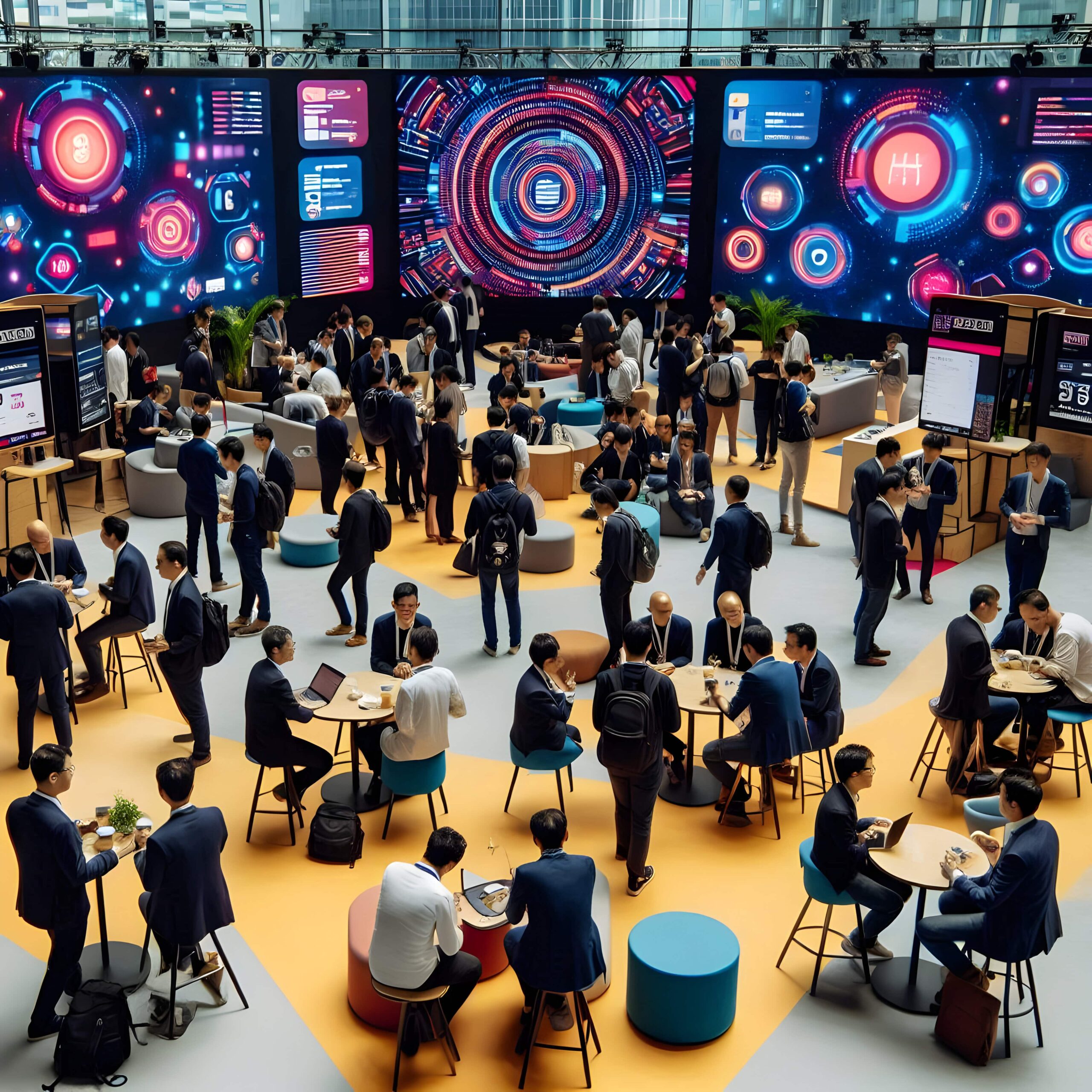
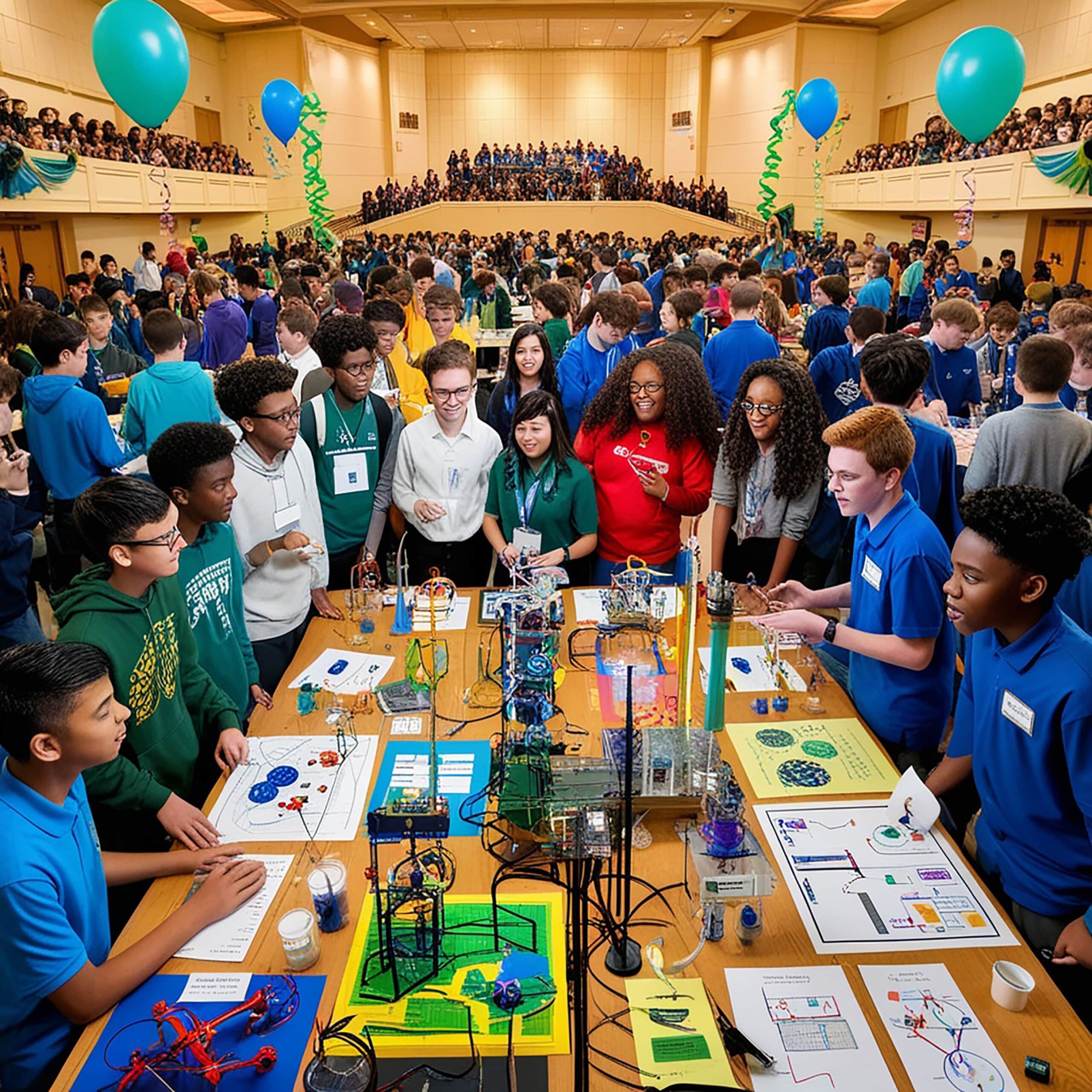
In-person exhibitions have long been the cornerstone of business networking and product showcasing. These physical events provide opportunities for face-to-face engagement, hands-on product demonstrations, and spontaneous conversations that often lead to long-term business relationships. Attendees can immerse themselves in the brand experience, gauge product quality directly, and build trust through personal interactions. Moreover, exhibitions in locations like India Expo Centre or Pragati Maidan also support local economies through travel, hospitality, and on-ground services.
The Rise of Virtual Exhibitions
Virtual exhibitions gained significant traction during the pandemic and have since evolved with innovative features like 3D product displays, real-time chats, webinars, and virtual booths. They eliminate travel costs, offer convenience, and are accessible to a global audience. Exhibitors can track visitor engagement data and follow up more efficiently through integrated CRM tools. However, the lack of physical interaction can limit emotional connection and real-time feedback, which are often crucial in B2B decision-making.
Hybrid Events: Combining the Best of Both Worlds
Hybrid exhibitions bring together physical and virtual formats to cater to broader audiences. This model allows exhibitors to reach attendees who may not be able to travel while still offering a physical presence for local or regional visitors. The hybrid approach increases flexibility, enhances ROI, and builds resilience against uncertainties like travel restrictions. Technologies like AR, VR, and AI help create engaging hybrid experiences, allowing businesses to maximize their exhibition impact.
Conclusion
The choice between virtual, in-person, or hybrid exhibitions depends on your goals, target audience, and resources. In-person exhibitions are ideal for tactile industries and deeper relationship-building, while virtual events offer scalability and data-rich engagement. Hybrid exhibitions are emerging as the future standard, offering inclusivity and versatility. Event organizers and exhibitors should assess their audience preferences and align formats to deliver meaningful and measurable outcomes in an evolving exhibition landscape.

Post Comment